Are You Actually Saving Money? The Real Price Tag Behind One-Stop Shopping

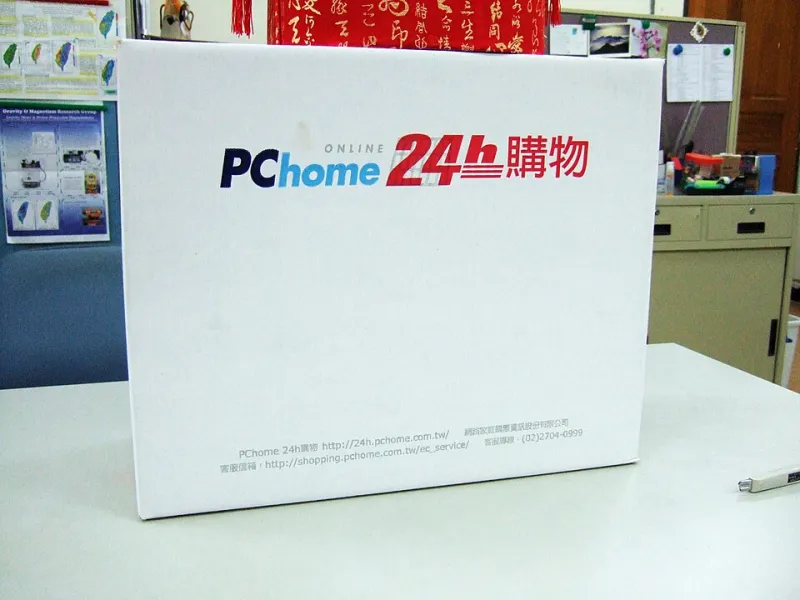
Photo: Shixart1985, CC BY 2.0, via Wikimedia Commons
Let's be honest: there's something deeply satisfying about buying a birthday gift, restocking your pantry, and grabbing a new phone case — all in a single checkout session. One-stop shopping platforms have built entire empires on that feeling. But here at ShopZilla Hub, we believe informed shoppers are happy shoppers, and the truth is that convenience has a price tag that doesn't always show up in your cart total.
So let's pull back the curtain.
The Convenience Premium Is Real — And It's Baked In
When you shop at a mega-marketplace versus a specialty retailer, you're not just paying for a product. You're paying for the infrastructure, the algorithm, the one-click checkout, and the two-day shipping promise. Retailers on large platforms often factor in marketplace fees — sometimes ranging from 8% to 20% of the sale price depending on the product category — and those costs get passed straight to you.
A study from the Consumer Federation of America found that identical products can cost anywhere from 10% to 30% more on all-in-one platforms compared to buying directly from a brand or specialty store. That difference is what industry insiders call the "convenience premium" — and most shoppers never even notice it.
Take something as simple as a kitchen blender. On a major everything-store platform, you might see it listed at $79.99 with free shipping. The same model on the manufacturer's website? $64.99, with comparable shipping options. The platform version isn't a better deal — it's just more convenient to find.
Bundled Services: Helpful or a Trap?
One of the cleverest tools in the one-stop-shop playbook is the membership bundle. For a flat annual fee, you get shipping perks, streaming access, cloud storage, and exclusive deals. It sounds like a no-brainer — until you do the math.
If you're only using two of five bundled services, you're effectively subsidizing features you don't need. According to a 2024 survey by NerdWallet, the average American household pays for at least 2.5 streaming or membership services they rarely use. Multiply that across a year and you're looking at real money left on the table.
The bundling strategy is intentional. By packaging high-value perks with lower-value ones, platforms make it psychologically harder to cancel. You feel like you'd be "losing" something even when the math doesn't add up in your favor.
Pricing Psychology: Why Your Cart Keeps Growing
Ever notice how one-stop platforms seem to always have something on sale? That's not luck — it's design. Dynamic pricing algorithms adjust product costs in real time based on your browsing history, location, time of day, and even device type. That $45 yoga mat you looked at last Tuesday? It might be $52 by Friday if the system detects increased demand or notices you've visited the page multiple times.
Then there's the "frequently bought together" feature — a deceptively simple nudge that consistently increases average order values by 20–30%, according to e-commerce research firm Baymard Institute. You came for paper towels. You left with paper towels, a specialty cleaning spray, and a microfiber cloth set you didn't plan on buying.
Flash sales and countdown timers create urgency that short-circuits careful decision-making. When you see "Only 3 left in stock!" your brain shifts from rational evaluation to fear of missing out. That's not shopping — that's being managed.
Where the Markups Hit Hardest
Not all product categories carry the same convenience premium. Here's a rough breakdown of where you're most likely to overpay on all-in-one platforms:
- Electronics accessories: Cables, cases, and chargers are notorious for massive markups — sometimes 200–400% over wholesale. Third-party sellers on mega-platforms exploit brand confusion to push generic products at near-premium prices.
- Health and beauty: Skincare and supplement listings are cluttered with knockoffs and inflated prices. Specialty retailers or direct-to-brand purchases often yield better quality and pricing.
- Home goods: Furniture and décor from all-in-one platforms frequently cut corners on materials to hit low price points, making them look like deals until they fall apart six months later.
- Groceries: Convenience grocery add-ons through major platforms can run 15–40% higher than your local supermarket, especially when delivery fees and tips are factored in.
Practical Strategies to Protect Your Wallet
None of this means you should swear off one-stop platforms entirely — they genuinely do offer value in the right circumstances. The key is knowing when convenience is worth paying for and when it isn't.
Use price comparison tools. Browser extensions like Honey, CamelCamelCamel (for Amazon), or Google Shopping can surface better prices in real time. Don't let the first listing win by default.
Check the brand's own website. Manufacturers frequently offer direct pricing that undercuts marketplace listings. You might also find better warranty terms and return policies.
Audit your memberships annually. Every 12 months, sit down and calculate how much you've actually used each bundled service. If the numbers don't justify the fee, cancel and reinvest that money somewhere useful.
Slow down before checkout. Give yourself a 24-hour rule on any unplanned purchase over $30. That countdown timer isn't going anywhere — and if the deal disappears, a better one will come along.
Compare unit prices, not sticker prices. Bulk deals on all-in-one platforms look attractive but often carry hidden per-unit premiums. Do the division before you assume you're saving.
The Bottom Line
Convenience is genuinely valuable — we're not here to tell you otherwise. But the best shoppers treat it like any other feature: worth paying for when it makes sense, and worth skipping when it doesn't. The next time you load up a cart on your favorite everything-store platform, take sixty seconds to ask yourself whether you're getting a deal or just getting comfortable. Your bank account will thank you.
At ShopZilla Hub, we're all about helping you find what you need without the guesswork — or the sneaky surcharges. Shop smart, spend well, and never pay more than you have to.