The Return Runaround: What Nobody Tells You About Getting Refunds From Giant Online Platforms
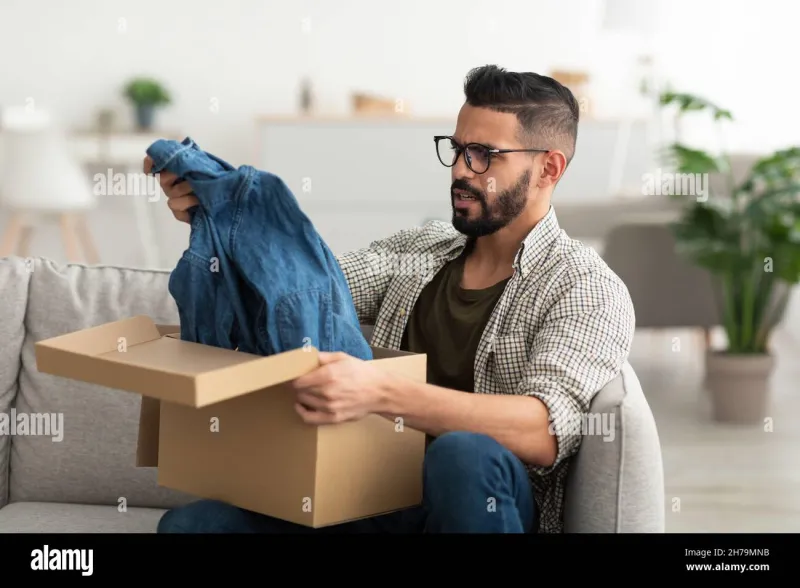
Photo: frustrated person returning online shopping package, via c8.alamy.com
You ordered something online. It arrived wrong, broken, or just not what you expected. No big deal — you'll just return it. Easy, right?
Maybe. Or maybe you're about to spend the next two weeks navigating a maze of automated chat bots, conflicting seller policies, prepaid label fees, and a refund that arrives — if it arrives — in the form of store credit you didn't ask for.
Returning items through large online marketplaces has become one of the most quietly frustrating consumer experiences in America. And the problem isn't getting better. As these platforms grow more complex — hosting thousands of third-party sellers alongside their own inventory — the returns process has fractured into something that looks consistent on the surface but is anything but underneath.
Let's break down exactly what you're dealing with, category by category, and how to protect yourself before you ever hit "place order."
The Third-Party Seller Problem Nobody Warns You About
This is the big one. When you shop on a major marketplace, you might assume you're buying from that marketplace. Often, you're not. A huge percentage of listings — in some categories, the majority — are fulfilled by independent third-party sellers who simply use the platform as a storefront.
Why does that matter for returns? Because those sellers set their own return policies, within whatever minimum guidelines the platform requires. And those minimums are often pretty seller-friendly, not buyer-friendly.
Some third-party sellers offer 30-day no-questions-asked returns. Others offer 15 days. Some charge restocking fees of 10%, 20%, or more. Some require you to pay return shipping on items that were never described accurately. And some — particularly international sellers — have return addresses overseas, making a $30 return ship a $25 proposition that suddenly doesn't seem worth it.
The platform's own branding creates a false sense of unified policy. Read the fine print on every listing before you buy.
Electronics: High Stakes, High Risk
Electronics are among the riskiest categories to return through a marketplace, for a few reasons.
First, many sellers classify opened electronics as non-returnable or subject to heavy restocking fees — sometimes 15% to 25% — even if the item was defective. The logic is that once a box is opened, the item loses resale value. That's their problem, but they've made it yours.
Second, electronics disputes often get complicated fast. If a seller claims the item worked when it shipped and the defect was caused by the buyer, you're in he-said-she-said territory with customer service reps who are following a script, not actually evaluating your situation.
Third, counterfeit or gray-market electronics occasionally make their way onto marketplace listings. If you receive a knockoff charger or a refurbished item sold as new, proving it — and getting a full refund — can require escalating through multiple layers of support.
Protective move: For any electronics purchase over $75, buy from sellers with explicit, no-restocking-fee return policies and check whether the item is sold and shipped by the marketplace itself rather than a third party. Pay with a credit card that offers purchase protection as a backup.
Apparel and Shoes: The Fit Gamble
Clothing and footwear have the highest return rates of any e-commerce category, and marketplace platforms know it. That's why return policies in this space vary so wildly — and why some sellers have started getting creative about discouraging returns.
Watch out for:
- Non-refundable listings disguised as "final sale" with that designation buried in the product description rather than prominently displayed
- Return windows shorter than the shipping time — yes, this happens. A 7-day return window on an item that takes 10 days to arrive means you're already out of luck when the package shows up
- "Returnless refund" policies that sound generous but actually signal the seller knows the product quality doesn't hold up to scrutiny
Specialty apparel retailers, by comparison, almost universally offer free returns, extended windows, and in-store drop-off options if they have physical locations. That's a meaningful advantage when you're not sure about sizing.
Protective move: Screenshot the return policy at the time of purchase. Policies can and do change, and having a record protects you if there's a dispute.
Furniture and Large Items: The Nightmare Tier
Returning furniture through an online marketplace is, without exaggeration, one of the most painful consumer experiences available to you. Large items often come with special return conditions: you may be responsible for repackaging (good luck getting a sectional back in its original box), scheduling a freight pickup, and paying return shipping that can run into the hundreds of dollars.
Some marketplace sellers of furniture and large home goods offer "no returns" outright, or returns only in the case of verified damage — which requires photo documentation submitted within 48 hours of delivery. Miss that window and you're stuck.
Dedicated furniture retailers, even online-only ones, typically have far more consumer-friendly large-item return processes, often including free in-home pickup for returns or exchanges.
Protective move: For any furniture or large appliance purchase, call the seller directly before buying to confirm the exact return process. If you can't reach a human, that tells you something important.
Groceries and Consumables: Easier, But Not Foolproof
This is actually one category where marketplace returns tend to be more straightforward. Perishables and consumables are usually covered under broad satisfaction guarantees, and the refund process is often as simple as reporting an issue through the app.
The catch: if you're ordering through a third-party grocery delivery service integrated into a marketplace, the refund process may go through that service rather than the marketplace — adding another layer between you and your money.
How to Protect Yourself Across the Board
Here are the habits that actually make a difference:
1. Read the return policy before you add to cart. Not after. The listing page contains the policy — scroll down and find it. If it's vague or absent, that's a red flag.
2. Know who you're actually buying from. Look for "sold by" and "fulfilled by" information on every listing. Buying from the marketplace directly is almost always safer from a returns standpoint.
3. Use a credit card with purchase protection. When a seller dispute goes sideways, a credit card chargeback is your nuclear option. It works. Keep it in your back pocket.
4. Document everything on delivery. For anything over $50, take a quick video when you open the package. If the item is damaged or wrong, you have proof that's timestamped.
5. Escalate strategically. If a seller is unresponsive or unhelpful, go directly to the platform's buyer protection program. Most major marketplaces have one, and it's more powerful than most shoppers realize — you just have to ask for it.
The Bottom Line
Returning something shouldn't feel like a part-time job. But on large, multi-seller platforms, the process is genuinely more complicated than most shoppers expect — and the stakes are higher than the casual "free returns" messaging suggests.
Being a smart shopper in 2025 means knowing not just what you're buying, but what happens if it doesn't work out. A little due diligence before checkout can save you a whole lot of headache after the box arrives.